

Registering a car in California is more than just a bureaucratic task; it’s a vital step to ensure safe and legal operation on our roads. However, navigating the process can be confusing, especially with varying requirements and regulations across the state. This comprehensive guide aims to demystify the process, offering expert insights into every step of registering your vehicle in California, including utilizing the DMV’s VIN verifier for accurate identification. By following these straightforward instructions, you’ll ensure a smooth, stress-free experience.
- Gather Required Documents for Car Registration
- Prepare Your Vehicle for Inspection: DMV Guidelines
- Complete the California Car Registration Application Form
- Verify Vehicle Identification Number (VIN) with DMV
- Pay Registration Fees and Receive Your License Plate
Gather Required Documents for Car Registration

Before you can register your car in California, you’ll need to gather a series of essential documents, which serve as a crucial step in the process. This phase demands meticulousness and attention to detail. Among these documents, the Vehicle Identification Number (VIN) is paramount, acting as a unique fingerprint for your vehicle. It’s vital to ensure its accuracy, which can be achieved through a reliable dmv vin verifier or mobile VIN inspection. These tools, whether digital or physical, enable you to cross-reference the VIN against authoritative databases, confirming its authenticity and history.
For instance, a mobile VIN verifier app can scan the VIN using your smartphone’s camera, providing instant access to detailed vehicle information, including the car’s make, model, year, and any reported accidents or defects. This modern approach streamlines the process, making it convenient for users to verify their vehicles’ identities before proceeding with registration. It’s recommended to consult California’s official DMV guidelines for specific requirements, as they may vary based on the type of vehicle and its age.
Additionally, expect to provide standard documentation such as proof of ownership (typically a title or bill of sale), valid driver’s license, current insurance card, and possibly a completed registration form. Ensuring that all documents are up-to-date and accurate is fundamental to a smooth registration process. Remember, the VIN inspection plays a pivotal role in this stage, serving as a critical verification step alongside these essential papers.
Prepare Your Vehicle for Inspection: DMV Guidelines
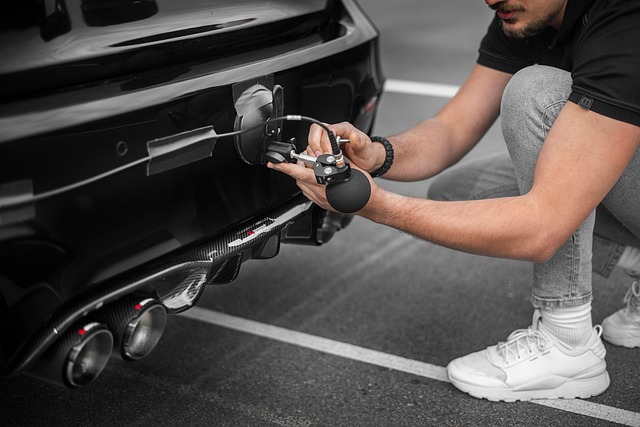
Before you can register your car in California, it’s crucial to prepare your vehicle for inspection, ensuring it meets the state’s safety and emissions standards. The Department of Motor Vehicles (DMV) requires a thorough check, focusing on critical components like lights, brakes, tires, and emissions systems. One key aspect often overlooked is using a reliable DMV Vin verifier, such as mobile vin verification services, to ensure your vehicle’s history is clean and accurate.
California’s process involves a dual inspection system: a visual examination and, in some cases, a mobile vin inspection. The visual check covers exterior and interior conditions, lighting, and safety equipment. For older or high-risk vehicles, a mobile vin verifier plays a pivotal role by providing real-time data on the vehicle’s history, including accident reports, odometer readings, and previous ownership details. This is particularly important given California’s stringent regulations and high auto population density.
To maximize efficiency, consider using a mobile vin verification service. These tools, often accessible via smartphone apps, enable quick and accurate checks against national databases, streamlining the registration process. For instance, many services allow you to input your vehicle identification number (VIN) for instant insights into potential issues or hidden costs. By embracing these modern solutions alongside traditional inspections, California residents can ensure a smoother, more informed car registration experience.
Complete the California Car Registration Application Form

To register your car in California, you’ll need to complete and submit the California Car Registration Application Form (DMV Form SR-175). This crucial document serves as proof of vehicle ownership and is essential for legal operation on California roads. Filling it out accurately ensures a smooth registration process and avoids potential penalties. The form requires detailed information about your vehicle, including its make, model, year, and unique Vehicle Identification Number (VIN). Accurately recording the VIN is particularly important, as it facilitates the mobile VIN verification process—a key step in the registration checklist.
The DMV offers a convenient online tool for submitting applications, but you must first ensure your vehicle meets all requirements. One significant aspect is confirming that your car has passed the required safety and emissions inspections. In California, these inspections are often conducted at authorized repair facilities or through mobile VIN verification services. The latter allows you to get an inspection right from your driveway, saving time and effort. For instance, many mobile VIN verifiers use advanced technology to remotely check a vehicle’s status against state databases, including the CaliBER (California Vehicle Inspection and Repair System). This digital approach enhances convenience and efficiency while ensuring compliance with registration mandates.
When completing the application form, be precise in entering your vehicle’s details. Double-check the VIN and ensure it matches the information from official documents like your title or insurance papers. If you’re using a mobile VIN verifier, compare the results with your records to maintain accuracy. An error in this section could delay registration, so meticulous attention is advised. Once all required fields are correctly filled out, submit the form through the DMV’s designated channels. The agency will then process your application, which may include verifying the vehicle’s history and conducting a physical inspection at a regional office (in some cases). Meeting these requirements successfully ensures your car’s registration is approved, allowing you to legally drive in California.
Verify Vehicle Identification Number (VIN) with DMV
Verifying the Vehicle Identification Number (VIN) is a crucial step in the car registration process in California. This unique 17-character code serves as a digital fingerprint for your vehicle, and ensuring its accuracy is essential for several reasons. One of the most effective methods to check the VIN’s validity is by utilizing a DMV vin verifier. The California Department of Motor Vehicles (DMV) provides tools and resources to facilitate this process, allowing you to cross-reference the VIN with their official records.
When registering your car, whether it’s a new purchase or a transfer of ownership, accessing the DMV’s online services can streamline the verification procedure. Their digital platforms are designed to match the provided VIN against their database, confirming its authenticity and ensuring compliance with state regulations. Interestingly, a study by the California DMV revealed that approximately 2% of vehicles submitted for registration had incorrect or altered VINS, highlighting the importance of this step.
For those seeking convenience and flexibility, mobile vin inspection services offer an alternative approach. These services bring the verification process directly to you, allowing you to check your VIN’s validity from anywhere. A quick online search will yield numerous options, including specialized apps that connect you with certified professionals who can perform a physical inspection of your vehicle and confirm its VIN using advanced mobile vin verifiers. This method is particularly useful for those unable to visit a DMV office or prefering a more personalized service.
Pay Registration Fees and Receive Your License Plate

After completing the necessary forms and gathering your required documents, the next step in registering your car in California is paying the registration fees and obtaining your license plates. The California Department of Motor Vehicles (DMV) offers several convenient payment methods to make this process efficient for you. You can typically pay online through the DMV’s secure website, by mail using a check or money order, or in person at any local DMV field office. Be prepared with your vehicle’s registration fee, which varies based on the type and age of your car. For example, as of 2023, the annual registration fee for most cars is around $57.
Once you’ve paid successfully, the DMV will issue your license plates, typically either a pair of standard plates or a combination plate if your vehicle is over 10 years old. If you’re opting for custom plates or have specific preferences, remember that an additional fee may apply. The DMV also offers the convenience of mobile vin verification and inspection services. A mobile vin verifier can perform an accurate check of your vehicle’s history right at your registration location, saving you time and effort compared to traditional vin inspection methods. This service is particularly useful for those with busy schedules or accessibility concerns, ensuring a smooth registration process.
Before leaving the DMV office with your new license plates, double-check that all information on your registration documents matches your vehicle’s details precisely. Inaccurate data can lead to future registration issues and unnecessary delays. Properly documenting and understanding the registration process, including utilizing available mobile vin inspection services, ensures a seamless transition into California’s licensing system for your vehicle.
By meticulously following these steps, from gathering necessary documents to verifying your vehicle’s Identification Number (VIN) with the DMV vin verifier and paying registration fees, you’ve successfully navigated the process of registering your car in California. This article has empowered you with practical knowledge, ensuring a smooth experience during what can often be a complex administrative task. Now equipped with these insights, you’re ready to take the next step towards legal and safe operation of your vehicle within the Golden State.