

Registering a car in California is not merely a bureaucratic task but a critical step for any vehicle owner, ensuring legal compliance and personal safety. However, navigating the process can be daunting, especially with complex requirements and varying regulations across cities. This comprehensive guide aims to demystify the car registration procedure, focusing on a crucial aspect: DMV VIN verification. We’ll walk you through each step, ensuring accuracy and providing valuable insights for a seamless experience, allowing you to confidently register your vehicle in The Golden State.
- Prepare Necessary Documents for Car Registration
- Visit California DMV: Step-by-Step Guide
- Verify Vehicle Identity via DMV VIN Check
- Pay Registration Fees Online or in Person
- Maintain Your Registered Vehicle's Documentation
Prepare Necessary Documents for Car Registration

Before you begin the car registration process in California, it’s crucial to prepare all the necessary documents, ensuring a smooth and efficient experience at the DMV. One critical step is to have your vehicle’s Vehicle Identification Number (VIN) verified. This involves confirming the VIN accuracy through a reputable mobile vin inspection or verifier, as this detail is essential for record-keeping and security purposes. It’s worth noting that the California DMV recommends several reliable mobile vin verification services, making it easy to ensure your data is correct before proceeding.
For instance, many online platforms now offer mobile vin inspection services, allowing you to obtain a digital report instantly. These services scan and validate the VIN against authoritative databases, providing peace of mind and ensuring any discrepancies are resolved before registration. It’s advisable to cross-reference results from multiple sources to maintain accuracy. With proper documentation in hand, including the verified VIN, insurance papers, proof of ownership, and identification, you’re well on your way to registering your vehicle with the California DMV.
Remember, having an accurate VIN is more than just a formality; it’s a critical component in identifying your vehicle for title transfer, registration renewal, and even in case of theft or accident. So, take the time to verify this detail through a mobile vin inspection service before heading to the DMV, as it could save you valuable time and potential future headaches.
Visit California DMV: Step-by-Step Guide

To register your car in California, the first step is to visit a California DMV (Department of Motor Vehicles) office. This process involves several key stages, from preparing required documents to undergoing vehicle inspection, ensuring your car meets all safety and environmental standards. Upon arrival, you’ll need to present valid identification and proof of ownership or loan payoff, such as a title or lien release. Staff will guide you through the necessary forms, which may include a registration application, odometer reading confirmation, and other relevant paperwork.
One crucial aspect of this process is the DMV VIN (Vehicle Identification Number) verification. This step ensures that your car’s unique identifier matches the information on record. Traditionally, this required bringing your vehicle to a designated inspection station for manual checking. However, with advancements in technology, you now have options like mobile VIN verification services. These services send a trained inspector to your location, whether it’s your home or workplace, to conduct a thorough VIN inspection. This not only saves time but also adds convenience and safety, as professional examiners ensure accurate record-keeping.
Following submission of your application, you’ll typically need to pay registration fees and potentially get your license plate and registration card in the mail. Alternatively, many California DMV offices now offer instant registration services, allowing you to leave with all necessary documentation on the same day. If any issues arise during inspection, such as faulty emissions or outstanding warrants, a staff member will guide you through resolving them before final approval. This comprehensive approach ensures that your vehicle is safe for California’s roads and that you have all necessary credentials.
Verify Vehicle Identity via DMV VIN Check

Verifying a vehicle’s identity through a DMV VIN check is a crucial step in the car registration process in California. The California Department of Motor Vehicles (DMV) provides an efficient system for checking a vehicle’s history and ensuring its authenticity using the unique Vehicle Identification Number (VIN). This process, often referred to as a VIN verification or inspection, plays a vital role in safeguarding against fraud and ensuring only legitimate vehicles are registered.
One innovative approach to enhancing this verification process is through the use of mobile vin verifiers. These portable devices allow individuals to conduct real-time checks on any vehicle’s VIN, including those in California. By utilizing these tools, you can access a wealth of information about a car’s past, such as ownership history, accident reports, and outstanding liens. For instance, consider a scenario where a prospective buyer wants to ensure the authenticity of a classic car they’re interested in purchasing. A quick scan of the VIN using a mobile vin inspection app can reveal any discrepancies or hidden issues, providing peace of mind before finalizing the deal.
The DMV offers several methods for conducting this essential verification. Traditionally, individuals would visit a local DMV office and provide the VIN to staff members who cross-check it against their records. However, with advancements in technology, mobile vin verifiers have become popular alternatives, offering convenience and speed. These devices allow users to input the VIN manually or scan it directly from a vehicle’s label, providing instant access to detailed information. This modern approach streamlines the registration process and ensures that both buyers and sellers are protected against potential fraud.
Pay Registration Fees Online or in Person

Registering a car in California involves several steps, one of which is paying the registration fees, which can be done either online or in person at a Department of Motor Vehicles (DMV) office. Online registration offers the convenience of completing the process from the comfort of your home, while visiting a DMV ensures a more hands-on approach and immediate results. Regardless of your preferred method, ensuring accurate data and proper documentation is key to a smooth experience.
For online registration, you’ll need to access the official California DMV website and locate the specific portal for vehicle registration. Here, you’ll input crucial details like your Vehicle Identification Number (VIN) to facilitate a dmv vin verification process. This step is critical as it ensures that your vehicle meets all legal requirements before issuing a registration. Many states now employ mobile vin verifiers, allowing you to conduct a VIN inspection from your smartphone for added convenience and speed. Alternatively, if you opt for in-person registration, bringing your vehicle for an inspection at the DMV may be required, where a trained staff member will perform a similar VIN verification process using specialized tools.
The fee structure varies based on factors like the type of vehicle and its age. It’s essential to review these fees carefully before completing your registration. Some counties in California offer reduced rates or discounts for early registration, so checking with your local DMV can help you save money. Remember that timely renewal is crucial to avoid penalties and ensure uninterrupted use of your vehicle on California roads. By adhering to the prescribed methods for paying registration fees, whether online or in person, you’ll successfully complete this vital step in car ownership.
Maintain Your Registered Vehicle's Documentation
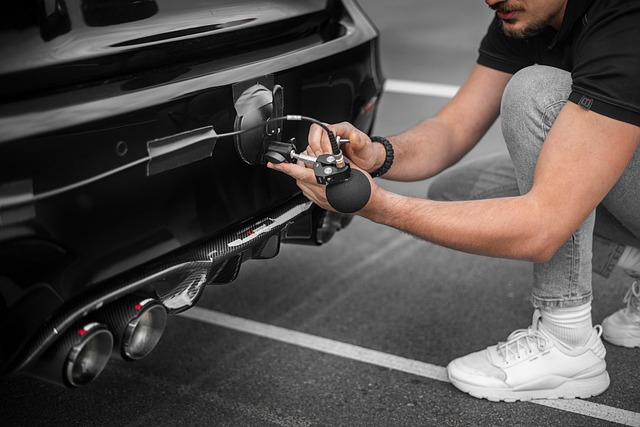
Maintaining comprehensive and accurate documentation is an integral part of car registration in California. Once your vehicle is registered, it’s crucial to keep all records up-to-date and readily accessible. This includes the Vehicle Identification Number (VIN) which serves as a unique fingerprint for each car. The California Department of Motor Vehicles (DMV) emphasizes the importance of VIN verification during the registration process, ensuring that the details on file are accurate.
Regularly updating your vehicle’s documentation is essential for several reasons. For instance, when selling or transferring ownership, a current and valid VIN inspection report can expedite the transaction. Mobile vin inspection services have become increasingly popular, offering convenience by enabling verifications at the owner’s location. These mobile vin verifyers ensure that your car’s history is accurately reflected on its registration documents. Furthermore, keeping detailed records helps in case of insurance claims or law enforcement investigations, where immediate access to verification can be critical.
A common pitfall many owners fall into is neglecting to update their documentation after modifications are made to the vehicle. Alterations such as engine swaps or cosmetic changes require updated VIN verifications to ensure compliance with California’s registration standards. It’s recommended to keep a digital or physical copy of all relevant documents, including purchase records, repair invoices, and any permits related to modifications. This proactive approach not only simplifies future DMV visits but also demonstrates responsible ownership. By staying organized and adhering to the necessary verification procedures, California car owners can ensure their vehicles remain registered and legally compliant.
Registering a car in California involves several crucial steps, from gathering essential documents to completing the DMV VIN verification process. By following a structured approach—preparing necessary paperwork, visiting or navigating the California DMV, and ensuring accurate vehicle identity through a VIN check—you can successfully register your vehicle. Key takeaways include maintaining comprehensive documentation throughout the process and understanding the associated registration fees, which can be paid online or in person. Additionally, staying up-to-date on required maintenance and renewals is essential for keeping your registered vehicle’s paperwork in order. This authoritative guide provides readers with a clear roadmap to navigate the car registration process in California efficiently and accurately.