

Registering a car in California is not just a bureaucratic step; it’s a crucial process that ensures vehicle safety, ownership clarity, and compliance with state laws. However, navigating the requirements can be daunting, especially for first-time owners. This article serves as your comprehensive guide to demystifying the car registration process in California. We’ll walk you through every step, from gathering necessary documents to utilizing reliable VIN verifier tools, ensuring a seamless and stress-free experience. By following our expert advice, you’ll gain confidence in registering your vehicle promptly and accurately.
- Gather Necessary Documents for Car Registration in California
- Understand Requirements: Vehicle Identification Number (VIN) Verifier
- Prepare Your Vehicle for Registration: Inspection and Documentation
- Visit a California Department of Motor Vehicles (DMV) Office
- Complete the Registration Process: Payment, Titles, and Receipts
Gather Necessary Documents for Car Registration in California

Before registering your car in California, you’ll need to gather several essential documents. This process is crucial for ensuring a smooth transition from owner to registered vehicle. Among these documents, the Vehicle Identification Number (VIN) plays a central role, serving as a unique fingerprint for your car. Utilizing a mobile VIN verifier can streamline this verification process, allowing you to confirm key vehicle details in real-time.
In California, the Department of Motor Vehicles (DMV) requires a comprehensive set of documents during registration. This typically includes proof of ownership, such as a title certificate, and documentation related to the vehicle’s history and condition. One critical step is verifying the VIN, which can be accomplished through a mobile VIN inspection. This process enables you to check for any discrepancies or potential fraud by comparing the reported VIN with the vehicle’s actual specifications. For instance, a simple scan using a mobile VIN verifier can reveal the car’s make, model, year, and even historical accident records, ensuring that all information aligns accurately.
Furthermore, having access to a reliable mobile VIN verifier offers convenience and efficiency. You can conduct these inspections promptly, whether at a DMV office or even before finalizing the purchase of a used vehicle. By incorporating this technology into your preparation, you’ll be better equipped to navigate the registration process with confidence, knowing that you have accurate and verifiable information every step of the way.
Understand Requirements: Vehicle Identification Number (VIN) Verifier
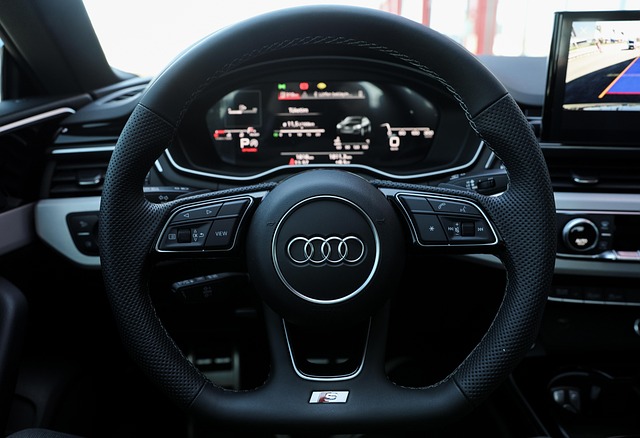
Registering a car in California involves several critical steps, one of which is ensuring your vehicle’s Vehicle Identification Number (VIN) is accurately verified. This process is essential to establish the car’s history and authenticity. A VIN verifier plays a crucial role here, providing a reliable method for both individual owners and dealerships to confirm the vehicle’s details.
A VIN is a unique code that identifies a specific motor vehicle, containing valuable information about its manufacture, model, and history. When you register your car in California, you need an accurate and official VIN verification. This is where a mobile VIN verifier can be particularly useful. These advanced tools allow for remote inspection, enabling users to obtain real-time data from a vehicle’s VIN without the need for physical access to the car. By employing a mobile VIN verifier, individuals can conveniently verify a car’s history before purchasing it, ensuring they’re not involved in any fraudulent activities or dealing with a stolen vehicle.
For instance, California’s Department of Motor Vehicles (DMV) recommends using certified online services for VIN verification. These services often incorporate mobile VIN verification technology, allowing users to enter their VIN and receive instant insights into the vehicle’s past, including accident records, title history, and service maintenance logs. This data is invaluable when making an informed decision about purchasing a used car. It’s recommended to cross-check results from multiple sources to ensure accuracy and gain a comprehensive understanding of the vehicle’s history.
Prepare Your Vehicle for Registration: Inspection and Documentation

Before you can register your car in California, it’s crucial to ensure your vehicle meets safety and emissions standards. This involves a comprehensive inspection process that verifies your car’s condition and history. The first step is to obtain a Vehicle Identification Number (VIN) verification, which serves as a unique fingerprint of your car, providing critical information about its make, model, year, and previous ownership. Consider opting for a mobile VIN inspection or verification service, making the process more convenient for you. These services utilize advanced technology to swiftly and accurately capture the VIN data, often done remotely without the need for physical visits to a DMV office.
During this phase, you’ll also gather essential documents, such as proof of ownership (title), insurance, and current registration (if applicable). Ensure these documents are up-to-date and accurate to streamline the registration process. For older vehicles or those with complex histories, a thorough VIN inspection becomes even more critical. This is where mobile VIN verification services shine, offering a swift and reliable way to confirm the vehicle’s authenticity and any potential issues that may affect its compliance with California’s registration requirements.
Remember, proper documentation and accurate VIN verification are cornerstones of the registration process. By addressing these aspects proactively, you’ll ensure a smoother journey towards registering your car in California.
Visit a California Department of Motor Vehicles (DMV) Office

Registering a car in California involves several crucial steps, one of which is visiting a California Department of Motor Vehicles (DMV) office. This in-person interaction is essential for completing your vehicle’s registration process successfully. At the DMV, you’ll need to present specific documents and undergo a Vehicle Identification Number (VIN) inspection using a trusted VIN verifier. The state accepts both stationary and mobile VIN verification methods, ensuring flexibility for California residents.
When visiting a DMV office, make sure to bring all necessary documentation, including proof of ownership, vehicle registration from the previous state (if applicable), and identification. The DMV officer will verify your information and conduct a thorough inspection, which includes checking the vehicle’s VIN using either a stationary or mobile VIN scanner. A mobile VIN verifier is particularly convenient, as it allows for on-site inspections, eliminating potential delays or complications. This technology ensures that the provided VIN matches the vehicle accurately, preventing fraud and securing the integrity of California’s registration system.
Many DMV locations now offer online appointments to streamline the process further. By scheduling in advance, you can reduce wait times and ensure a more efficient trip. Additionally, consider using a mobile VIN inspection service if you’re unable to visit a physical office. These services provide the same level of accuracy as their stationary counterparts but offer added convenience. For instance, some mobile verifiers allow real-time data transmission, enabling immediate registration updates and reducing paperwork. With these modern options available, registering your car in California has become more accessible and less time-consuming than ever before.
Complete the Registration Process: Payment, Titles, and Receipts

After gathering all necessary documents, the next crucial step in registering your car in California involves completing the registration process, which entails payment, handling titles, and ensuring proper receipts. Begin by submitting your application at a California Department of Motor Vehicles (DMV) office or online through the official DMV website. You’ll need to include the required fees, which vary based on vehicle type and other factors. It’s advisable to verify these amounts using the DMV’s fee calculator tool, accessible on their website, to ensure accuracy.
For out-of-state vehicles, an additional step is often required: a mobile VIN inspection or verification. This involves obtaining a current vehicle history report from a service like Carfax or AutoCheck, demonstrating that your car has not been reported stolen and has no outstanding liens. Some California DMV offices offer on-site mobile VIN verification services to streamline this process. If not, you can opt for a third-party mobile vin verifier, who will conduct an inspection using the unique 17-character Vehicle Identification Number (VIN) to gather critical vehicle data.
Once your application is approved and all fees are paid, the DMV will issue a registration certificate and a new license plate. It’s imperative to keep these documents secure and to update your records promptly if there are any changes, such as a sale or transfer of ownership. Properly maintaining these documents ensures compliance with California’s vehicle registration regulations and can help prevent future issues, like ticket discrepancies or legal complications related to your vehicle.
By meticulously gathering all necessary documents, understanding the critical role of the Vehicle Identification Number (VIN) verifier, preparing your vehicle with the required inspection and documentation, and visiting a California Department of Motor Vehicles (DMV) office, you’ve completed the car registration process with confidence. This authoritative article has equipped you with the key insights needed to navigate the DMV efficiently. Moving forward, remember the importance of the VIN verifier in verifying your vehicle’s identity and ensuring compliance. Take these practical steps: double-check all documents, inspect your vehicle thoroughly, and approach the DMV with a clear understanding of requirements. With this knowledge, you’re now ready to register your car smoothly and securely in California.