

Looking to register your car in California? This guide breaks down the process step-by-step. From understanding key requirements to navigating vin verification, you’ll learn everything needed to ensure a smooth registration experience. Gather essential documents, perform a VIN check, choose a registrar or online service, and submit your application. We’ll walk you through each crucial phase, emphasizing the importance of accurate vin verification for a successful car registration in California.
- Understand California Car Registration Requirements
- Gather Necessary Documents for VIN Verification
- Perform Vehicle Identification Number (VIN) Check
- Select and Pay For A Registrar or Online Service
- Submit Application and Wait for Registration Confirmation
Understand California Car Registration Requirements

Before registering your car in California, it’s crucial to understand the state’s specific requirements for vehicle registration. One key aspect is ensuring accurate and up-to-date information, starting with a valid Vehicle Identification Number (VIN) verification. This process involves checking the VIN against the manufacturer’s records to confirm the vehicle’s details, including its make, model, year, and equipment specifications. California requires this step to maintain a comprehensive record of all vehicles on its roads.
Additionally, you’ll need to meet certain legal standards, such as ensuring the car is in safe operating condition, having valid insurance, and possibly paying associated fees. A mobile VIN verifier or inspection service can assist with this initial verification process, making it easier for you to navigate the registration procedure and avoid potential delays or issues down the line.
Gather Necessary Documents for VIN Verification

Before you begin the car registration process in California, it’s crucial to gather all the essential documents for VIN (Vehicle Identification Number) verification. This step is a critical part of ensuring that your vehicle meets the state’s requirements and that all legal paperwork is in order. You’ll need several key documents, including the title or registration certificate from the previous owner, proof of insurance, and a valid driver’s license or identification card. Additionally, for a seamless experience, consider having a mobile VIN verifier on hand—this handy tool can assist in quickly verifying your vehicle’s details, saving you time during the registration process.
Some states require a vin inspection, and California is no exception. This inspection ensures that your car’s information aligns with its physical attributes, preventing fraud or misrepresentation. By having all these documents ready, especially when utilizing a mobile vin inspection service, you’ll streamline the registration procedure and get your vehicle registered promptly.
Perform Vehicle Identification Number (VIN) Check

Before registering your car in California, a VIN (Vehicle Identification Number) check is mandatory. This step ensures that the vehicle matches the information on its title and helps prevent fraud or theft. You can perform this verification through various methods, including using an online service or contacting the DMV. If you prefer a more convenient approach, consider opting for a mobile vin inspection or mobile vin verifier. These services send a specialist to your location, allowing for quick and accurate VIN verification.
During the process, the inspector will check the VIN plate on your vehicle against the manufacturer’s records. This is crucial as it confirms the car’s make, model, year, and other essential details. With the rise of technology, there are even mobile vin verification apps that can assist in this task, making it easier for owners to ensure their vehicles’ authenticity before proceeding with registration.
Select and Pay For A Registrar or Online Service
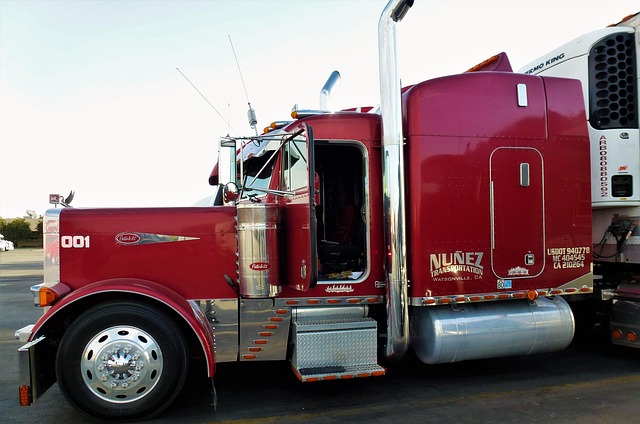
When registering your car in California, selecting a reliable registrar or online service is essential for a smooth process. There are numerous options available, each offering convenient and cost-effective services. You can choose to work with a traditional car registration company or opt for digital platforms that streamline the entire procedure.
One crucial step in this process is performing a Vehicle Identification Number (VIN) verification. This ensures the vehicle’s authenticity and history. Many registrars provide this service, including mobile vin inspection options, allowing you to get a quick and accurate check without visiting a dealership or registry office. Some online services even offer same-day processing for your convenience. By selecting a reputable provider, you can save time, effort, and potentially reduce fees associated with traditional registration methods.
Submit Application and Wait for Registration Confirmation
After gathering all the necessary documents, it’s time to submit your application for vehicle registration through the California Department of Motor Vehicles (DMV). You can do this online or in person at a local DMV office. During submission, ensure that your Vehicle Identification Number (VIN) is accurately entered, as this crucial detail facilitates the vin verification process—a critical step in the registration procedure. This verification ensures the authenticity and legality of your vehicle’s history.
Upon submission, you’ll be provided with an application confirmation number and an estimated wait time for registration processing. While waiting, some individuals opt for a mobile vin inspection or vin inspection service to have their vehicle’s details double-checked, ensuring a smoother registration experience.
Registering a car in California is a straightforward process that requires understanding local regulations and gathering essential documents. By following these steps, from verifying your Vehicle Identification Number (VIN) through the crucial VIN verification to submitting your application online or at a registrar’s office, you can ensure your vehicle complies with state standards. Remember to keep your registration up-to-date for smooth driving in the Golden State.