

Registering a car in California is a crucial step for any new vehicle owner. However, navigating the process can be daunting, given the complex regulations and requirements. This comprehensive guide aims to demystify the entire procedure, ensuring a smooth experience for all. From gathering essential documents to understanding the unique California-specific steps, you’ll discover the ins and outs of car registration. Moreover, we’ll emphasize the critical role of DMV VIN verification in this process, providing you with expert insights to make your car registration a success.
- Gather Necessary Documents for Car Registration
- Prepare Your Vehicle for DMV Inspection (包括 VIN Verification)
- Navigate Online or In-Person Registration Process in California
- Pay Required Fees and Taxes for Car Registration
- Maintain Your Registered Vehicle's Documentation and Records
Gather Necessary Documents for Car Registration

Registering a car in California involves several crucial steps, and one of the most critical is ensuring you have all the necessary documents ready. The process begins with gathering important paperwork that will be required for your vehicle’s registration at the Department of Motor Vehicles (DMV). Among these, the Vehicle Identification Number (VIN) verification stands out as a fundamental component. This unique 17-character identifier serves as a digital fingerprint for your car and is crucial for proving ownership and authenticating the vehicle’s history.
A key document in this process is the Certificate of Title, which certifies that you are the legal owner of the vehicle. In California, you’ll also need to present a valid driver’s license or state ID card, proof of insurance, and a completed Vehicle Registration Application form. It’s here where the DMV VIN verification plays a pivotal role—this process ensures the accuracy of your car’s information and helps deter fraud. You can complete this verification through various methods, including using a mobile vin verifier app, which provides a fast and convenient way to check your vehicle’s history on-the-go. Some apps even offer detailed vehicle reports, helping you identify potential issues or red flags before registering.
Additionally, for vehicles over 25 years old or those that require historical registration, further documentation may be needed. This could include original purchase documents, restoration records, or other evidence of ownership and history. It’s advisable to check with your local DMV branch in advance to understand the specific requirements, as they can vary slightly across California counties. By proactively gathering these essential documents and utilizing modern tools like mobile vin inspection apps, you’ll streamline the registration process, ensuring a smooth transition into California’s vast automotive landscape.
Prepare Your Vehicle for DMV Inspection (包括 VIN Verification)

Before you register your car in California, it’s crucial to prepare your vehicle for the DMV inspection process, which includes a critical step known as DMV VIN verification. This verification ensures that your vehicle’s unique Vehicle Identification Number (VIN) is accurate and matches the data on record with the Department of Motor Vehicles (DMV). The process involves a thorough examination of your car’s details, including its make, model, year, and specific features.
For many California residents, the convenience of mobile VIN verification services can greatly simplify this procedure. These services bring the inspection to you, eliminating the need for long DMV lines or transportation hassles. A professional will visit your location, perform a detailed vehicle inspection, and ensure your VIN is correct and unaltered. This approach is particularly beneficial for those with busy schedules or limited mobility, ensuring a swift and stress-free registration process. For instance, data from the California DMV indicates that mobile services can significantly reduce wait times compared to traditional DMV visits.
During the vin inspection, you’ll need to provide key documentation, such as proof of ownership, vehicle title, and insurance information. Ensure these documents are up to date and accurately reflect your vehicle’s details. Additionally, be prepared to discuss any modifications or alterations made to your car, as these may require specific notes during the DMV VIN verification process. A common pitfall is missing or incorrect documentation, which can delay registration, so it’s essential to gather all necessary papers in advance. By proactively preparing for this step and utilizing mobile vin verification when available, you’ll ensure a smoother car registration experience in California.
Navigate Online or In-Person Registration Process in California

Registering a car in California involves a straightforward process, whether you choose to do it online or in person. Both methods have their advantages, but navigating the steps correctly is crucial to ensure a smooth experience. For online registration, you’ll need to visit the California DMV website and locate the specific section for vehicle registration. Here, you’ll input your vehicle’s information, including its make, model, year, and the current mileage. The system will then generate a fee estimate based on these details. After confirming the details and payment method, you can submit your application, which typically involves providing your driver’s license number or state ID and ensuring your vehicle passes a DMV VIN verification process to confirm ownership and identify any potential issues.
Alternatively, visiting a local California DMV field office allows for a more hands-on approach. Bring all necessary documents, including proof of insurance, proof of identity, and the Certificate of Title (if applicable), to the DMV. A skilled DMV representative will guide you through the process, perform a physical inspection of your vehicle, and verify its VIN (Vehicle Identification Number) during the registration. This on-site inspection is particularly useful for addressing any immediate concerns or discrepancies that might arise.
For those with busy schedules, the mobile vin verification service offers a convenient solution. This allows you to get the necessary VIN inspection done at your location, whether at home or the office, by a qualified professional. They will use specialized equipment to check your vehicle’s history and condition, ensuring it meets California’s registration standards. This option is particularly beneficial for those who may face challenges visiting a DMV office or prefer the flexibility of having the service come to them.
Pay Required Fees and Taxes for Car Registration
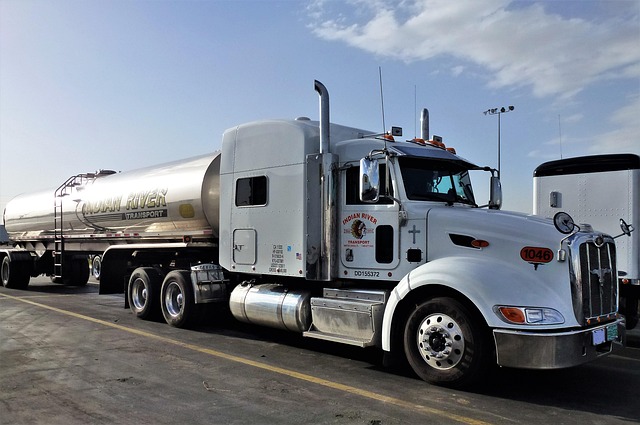
Registering a car in California involves several crucial steps, one of which is paying the required fees and taxes. This process ensures your vehicle complies with state regulations and allows you to legally operate it on California roads. The California Department of Motor Vehicles (DMV) outlines specific fee structures based on factors like vehicle type, age, and use. It’s essential to understand these charges, as they contribute to funding road maintenance, safety programs, and driver licensing services.
One critical aspect of the registration process is the DMV VIN verification. This involves a thorough inspection of your vehicle’s unique identification number (VIN) to ensure its authenticity and match with the registered details. For convenience, many Californians opt for mobile VIN verifiers or conduct a VIN inspection at specialized stations. These services streamline the process, allowing you to complete your registration without the hassle of visiting a DMV office. For instance, mobile VIN inspectors can visit your location, saving time and effort, especially for those with busy schedules.
In addition to fees, taxes play a significant role in car registration costs. California levies various taxes on vehicles, including a sales tax when registering a new or used car. These taxes contribute to the state’s general fund, supporting infrastructure development and public services. It’s advisable to inquire about any applicable tax credits or exemptions, as certain low-emission vehicles or those with historical significance might qualify for reduced rates. By staying informed and understanding these financial requirements, you can ensure a smooth car registration process in California.
Maintain Your Registered Vehicle's Documentation and Records

Maintaining comprehensive and up-to-date records is a crucial aspect of car ownership, especially when it comes to registration. In California, the Department of Motor Vehicles (DMV) requires accurate documentation for any vehicle registered within its borders. This includes proper record-keeping of your vehicle’s identification number (VIN), which is vital for both legal compliance and personal convenience. Failure to maintain these records can lead to issues during future transactions or even result in fines and penalties.
A key component of this process involves utilizing the DMV’s VIN verification system, ensuring that your vehicle’s history remains accessible and transparent. For instance, when selling a car, a prospective buyer might request a mobile VIN inspection to confirm the vehicle’s authenticity and identify any potential red flags. Many states now offer online platforms where individuals can perform these verifications quickly and easily using their smartphone or computer. This modern approach streamlines the process, making it more convenient for both parties involved.
Regularly updating your records is essential, particularly after significant events like a car sale, accident, or major repair. Keeping detailed notes on service history, ownership transfers, and any modifications made to the vehicle ensures that your DMV records remain accurate. If you’ve undergone a recent VIN inspection using a mobile verifier, for example, make note of this in your records. This proactive approach not only simplifies future transactions but also helps maintain the integrity of California’s vast automotive registry.
By systematically navigating the process of car registration in California, from gathering essential documents to ensuring your vehicle’s DMV VIN verification, you can confidently register your vehicle. Whether opting for an online or in-person approach, understanding the required fees and taxes ensures a smooth experience. Moreover, maintaining meticulous records of your vehicle’s documentation is paramount for future reference and compliance. This comprehensive guide equips readers with the knowledge to successfully register their cars, leveraging the authority of California’s DMV procedures.