

Looking to register your car in California? This comprehensive guide walks you through every step, from understanding crucial requirements to securing your license plate. We’ll cover essential documents needed, whether you visit the DMV in person or utilize their efficient online services. Learn how to verify your Vehicle Identification Number (VIN) accurately and pay registration fees. By following these straightforward steps, you’ll be cruising on California’s roads legally and confidently. Don’t forget to use a reliable dmv vin verifier for peace of mind.
- Understand California Car Registration Requirements
- Gather Necessary Documents for Car Registration
- Visit the DMV or Use Online Services for Registration
- Verify Vehicle Identification Number (VIN) Accuracy
- Pay Car Registration Fees and Receive Your License Plate
Understand California Car Registration Requirements

Before registering your car in California, it’s crucial to understand the state’s specific requirements and processes. The California Department of Motor Vehicles (DMV) mandates several key steps for car registration, including a vehicle identification number (VIN) verification. This process ensures that all vehicles on California roads meet safety and emissions standards.
To streamline the registration process, consider using a trusted DMV VIN verifier or conducting a mobile VIN inspection. These services can provide instant, accurate information about your vehicle’s history and ensure it complies with California regulations. By following these guidelines and leveraging available tools like mobile VIN verifiers, you’ll be well on your way to successfully registering your car in the Golden State.
Gather Necessary Documents for Car Registration

Before you start the registration process, ensure you have all the required documents ready. The California Department of Motor Vehicles (DMV) requires several key pieces of information to register a car. One crucial document is the Vehicle Identification Number (VIN) verifier, which can be obtained through a mobile vin inspection or by visiting a DMV office for a traditional vin inspection. This unique identifier is essential as it confirms the vehicle’s make, model, and year.
Additionally, you’ll need proof of ownership, typically in the form of a bill of sale or previous registration documents. An updated driver’s license or state ID card is also mandatory. If you’ve recently purchased the car, the seller might provide a temporary registration until you can obtain these official documents through a mobile vin verification process.
Visit the DMV or Use Online Services for Registration
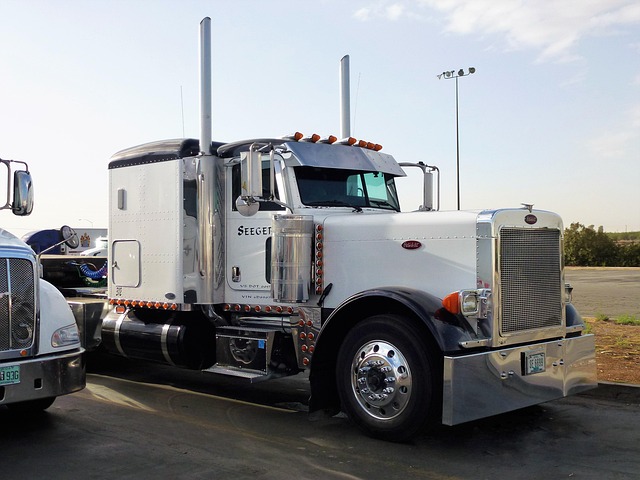
Registering a car in California involves one of two methods: visiting your local Department of Motor Vehicles (DMV) office or utilizing online services. Both options have their advantages, but using the DMV for registration offers a more direct and personalized experience. At the DMV, you can complete all necessary paperwork and undergo a vehicle inspection to ensure it meets safety standards. Additionally, staff members can guide you through any questions or issues that arise during the process.
For those who prefer a more convenient approach, California’s DMV offers online registration through their official website. This digital process includes submitting important documents like proof of insurance, owner’s identification, and, crucially, your Vehicle Identification Number (VIN) verification. Utilizing a mobile VIN inspection or verification service can streamline this step by providing the required data electronically, making registration quicker and more efficient for busy individuals.
Verify Vehicle Identification Number (VIN) Accuracy
Before you start the registration process, it’s crucial to ensure your vehicle’s Vehicle Identification Number (VIN) is accurate. This unique 17-character code is essential for identifying your car and can be found on the vehicle’s certificate of sale or purchase, insurance policy, or on a sticker inside the driver’s side door jamb. A small error in the VIN can cause delays in registration, so double-check it against any official documents you have.
Using a reliable DMV VIN verifier or even a mobile vin verification tool can help ensure accuracy. Some mobile apps offer quick and easy vin inspection services, allowing you to verify the VIN independently before proceeding with registration. This step will save you time later and make the registration process smoother at the California DMV office or online.
Pay Car Registration Fees and Receive Your License Plate

After completing your car’s registration application at the DMV, the next step is to pay the required fees. This includes a base fee and a vehicle-specific fee based on your car’s make and model. You can typically pay online or in person. Once your payment is processed, you’ll receive your license plate, which will be assigned a unique California number.
Ensure that your car passes the necessary emissions tests before attempting to register. A mobile vin inspection or vin inspection using a mobile vin verifier can help streamline this process by allowing you to verify your vehicle’s history and ensure it meets all environmental standards, making the registration procedure faster and more efficient.
Registering a car in California is a straightforward process, but understanding the requirements and gathering the necessary documents are key. By visiting the DMV or using online services, you can efficiently complete the registration. Verifying the Vehicle Identification Number (VIN) accuracy ensures a seamless experience, and paying the associated fees will grant you a new license plate. Remember to keep your paperwork up-to-date for future reference and enjoy your newly registered vehicle with peace of mind. Utilize tools like a dmv vin verifier to streamline the process further.