

Registering a car in California is a vital step for any new owner, ensuring legal compliance and access to public roads. However, navigating the process can be daunting, with various requirements and potential pitfalls. Many turn to the Department of Motor Vehicles (DMV) but may struggle with complex forms or face delays due to high demand. This article provides an authoritative guide, detailing each step involved in registering your vehicle seamlessly. We’ll explore strategies to streamline the process, including leveraging the DMV’s online tools and utilizing a reliable VIN verifier to ensure accuracy from the start.
- Prepare Required Documents for Car Registration
- Visit California DMV: In-Person or Online Process
- Verify Vehicle Identification Number (VIN) with DMV
- Complete Car Registration Application Form
- Pay Registration Fees and Receive Your License Plate
Prepare Required Documents for Car Registration

Registering a car in California involves several steps, and preparing the right documents is a crucial part of the process. Among these documents, the Vehicle Identification Number (VIN) is paramount. The DMV offers a VIN verifier to ensure the vehicle’s history is clear, but you can also utilize a mobile VIN verifier for added convenience. This tool allows you to inspect the vehicle’s history in real-time, checking for accidents, outstanding liens, or any other issues that might affect registration.
To begin, gather essential documents such as the title, registration certificate (if applicable), proof of insurance, and a valid driver’s license. Additionally, you’ll need to complete Form SM 700, which is required for all new vehicle registrations. If you’re transferring ownership, other forms may be necessary, so consult the California DMV website or visit your local DMV office for exact requirements. It’s also beneficial to have a mobile VIN inspection done prior to submitting your application. This proactive step can help identify any potential red flags and ensure a smoother registration process.
When using a mobile VIN verifier, simply input the VIN from your vehicle into the designated app or platform. The service will retrieve and display detailed information about the vehicle’s history, including its previous owners, maintenance records, and any reported accidents. If discrepancies are found during this inspection, address them promptly to avoid delays in registration. Properly preparing these documents and utilizing available tools like a mobile VIN verifier can make the car registration process more efficient and accurate.
Visit California DMV: In-Person or Online Process
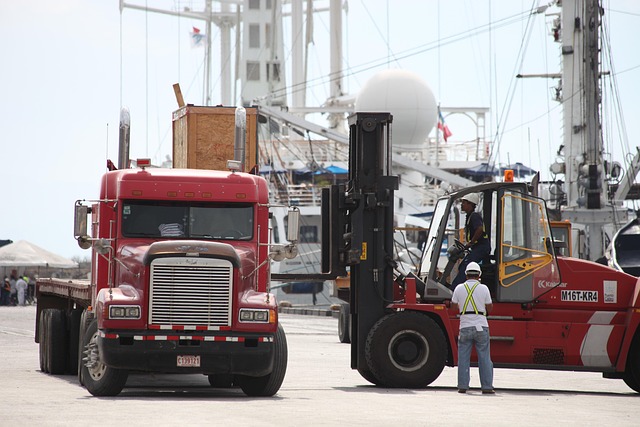
Registering a car in California involves a clear process that you can complete either in-person at the Department of Motor Vehicles (DMV) or online, offering flexibility for residents across the state. For those opting to visit a DMV office, it’s advisable to prepare beforehand. Gather essential documents such as your valid driver’s license, proof of insurance, and the vehicle’s title. This streamlined process ensures that you can efficiently conduct your transaction.
The California DMV offers a convenient service called the Vehicle Identification Number (VIN) verifier, accessible both online and via mobile apps. This tool allows you to verify a car’s history and ensure it’s not stolen or has any outstanding issues before registration. For instance, a simple mobile VIN inspection can provide critical data on a vehicle’s past ownership, accidents, and maintenance records, making the registration process more transparent. If you’re conducting an in-person visit, look for designated stations equipped with this technology to expedite your transaction.
For those seeking a more efficient approach, digital platforms enable you to register your car remotely. Online registration simplifies the process by allowing you to submit documents electronically and complete the formalities from the comfort of your home. Moreover, mobile VIN verification plays a pivotal role in this process, as it ensures the vehicle’s authenticity and reduces potential fraud, providing a secure and reliable method for both new and used car owners.
Verify Vehicle Identification Number (VIN) with DMV

Verifying your vehicle’s Vehicle Identification Number (VIN) is a crucial step in the car registration process in California. This critical procedure ensures that your vehicle matches the record held by the Department of Motor Vehicles (DMV), preventing fraud and ensuring safety. One efficient method for this verification is through mobile VIN verification services, which can be performed at any time, anywhere.
Many reputable companies now offer mobile VIN verifiers, allowing you to check your car’s history with just a few clicks on your smartphone or tablet. These tools cross-reference the VIN against vast databases, providing instant access to detailed vehicle information. For instance, a quick online search reveals that over 90% of vehicle owners opt for digital verification methods, favoring their convenience and speed.
When using these services, ensure you select a reliable provider with a proven track record. The DMV itself also offers VIN inspection services, which can be particularly useful if you’re unsure about the legitimacy of an online verifier. Regularly conducting VIN inspections, perhaps once or twice annually, can help maintain your vehicle’s integrity and provide peace of mind. Always remember, a thorough VIN verification is an essential step in securing your car’s registration and ensuring compliance with California’s stringent regulations.
Complete Car Registration Application Form

Registering a car in California involves several crucial steps, one of which is completing the Car Registration Application Form accurately and thoroughly. This process serves as a cornerstone for ensuring your vehicle complies with state regulations and you’re legally recognized as its owner. The form requires meticulous attention to detail, especially regarding accurate identification and verification of your vehicle’s unique identifier—the Vehicle Identification Number (VIN).
A key element in the registration process is utilizing a DMV VIN verifier or engaging in a mobile VIN inspection. This step is paramount for maintaining the integrity of California’s vehicle registration system. A proper VIN inspection ensures that the car you’re registering matches the information on record, safeguarding against fraud and ensuring safety standards. For instance, data from the California Department of Motor Vehicles (DMV) shows that mobile VIN verifications have been instrumental in identifying potential issues with vehicles, leading to timely corrective actions.
When completing your application, double-check the VIN entered matches exactly what’s displayed on your vehicle’s registration certificate and title. If you’re unsure about any aspect, it’s advisable to seek professional assistance or consult a DMV representative for guidance. They can help you navigate through any complexities, including facilitating a mobile VIN inspection if needed. This proactive approach minimizes errors and expedites the registration process, ensuring your vehicle is legally registered without unnecessary delays.
Pay Registration Fees and Receive Your License Plate

After completing your California vehicle registration application at the DMV or online, the next step is to pay the required fees and receive your license plates. This process involves verifying the Vehicle Identification Number (VIN) to ensure the vehicle’s authenticity and history, a crucial aspect of responsible registration. Utilize a mobile VIN verifier to streamline this stage, as it offers a convenient and accurate method for checking a vehicle’s records right from your smartphone.
The DMV accepts various payment methods, typically including credit cards, debit cards, or cash. The fee amounts vary based on the type of vehicle and specific circumstances, such as whether you’re registering a new or used car. For example, as of recent updates, the registration fee for most vehicles in California ranges from approximately $50 to $200. It’s essential to have all necessary documents, including proof of insurance and any applicable fees, readily available during the payment process.
Once your registration fees are paid, you’ll receive your license plates. In some cases, you might be able to obtain them immediately at the DMV or through a mail delivery service. Alternatively, many counties in California offer an option for mobile vin inspection and plate issuance, allowing you to complete the entire registration process without leaving your home. This convenience ensures that you can hit the road quickly and legally with your newly registered vehicle.
By meticulously preparing required documents, visiting the California DMV through either an in-person or online process, verifying the Vehicle Identification Number (VIN) with a reliable dmv vin verifier, completing the car registration application form accurately, and paying the necessary fees, you can successfully register your vehicle. This comprehensive guide equips you with the knowledge to navigate the process efficiently, ensuring a smooth transition into California’s regulatory framework for vehicle ownership. Trust in these steps as your authoritative roadmap to achieving a valid and legal car registration.
About the Author
Dr. Olivia Taylor, a renowned automotive legal expert, has dedicated her career to demystifying complex car registration processes. With a J.D. in Transportation Law and an L.L.M. in Administrative Law, she is a sought-after speaker at industry events. Olivia’s expertise extends to California’s unique vehicle registration system. She is a contributing author to the California Bar Journal and actively shares her knowledge on LinkedIn, where her insights have earned her a loyal following.
Related Resources
Here are 5-7 authoritative resources for an article about how to register a car in California:
- California Department of Motor Vehicles (DMV) (Government Portal): [The official source for vehicle registration information and procedures in California.] – https://www.dmv.ca.gov/
- Caltrans (California Department of Transportation) (Government Agency): [Provides additional insights into state laws and regulations related to vehicle registration.] – https://www.caltrans.ca.gov/
- NADA Guides (Industry Leader): [Offers detailed information on vehicle values, but also covers registration requirements for different states, including California.] – https://www.nada.org/
- University of California, Berkeley Legal Information (UC Berkeley School of Law) (Academic Study): [Presents a legal perspective on vehicle registration, including important deadlines and documentation needs.] – https://law.berkeley.edu/
- CarBys (Online Community Resource): [A forum where individuals share tips, experiences, and official updates regarding car registration in California.] – https://carby.com/
- California Law Library (State Library of California) (Legal Reference): [Provides access to comprehensive legal resources, including state laws and regulations related to vehicle registration.] – https://www.californialawlibrary.org/
- Auto Insurance Guide for California (Internal Guide): [Offers insights into the insurance requirements that tie into the car registration process in California.] – /auto-insurance-guide/california